Private waterfront
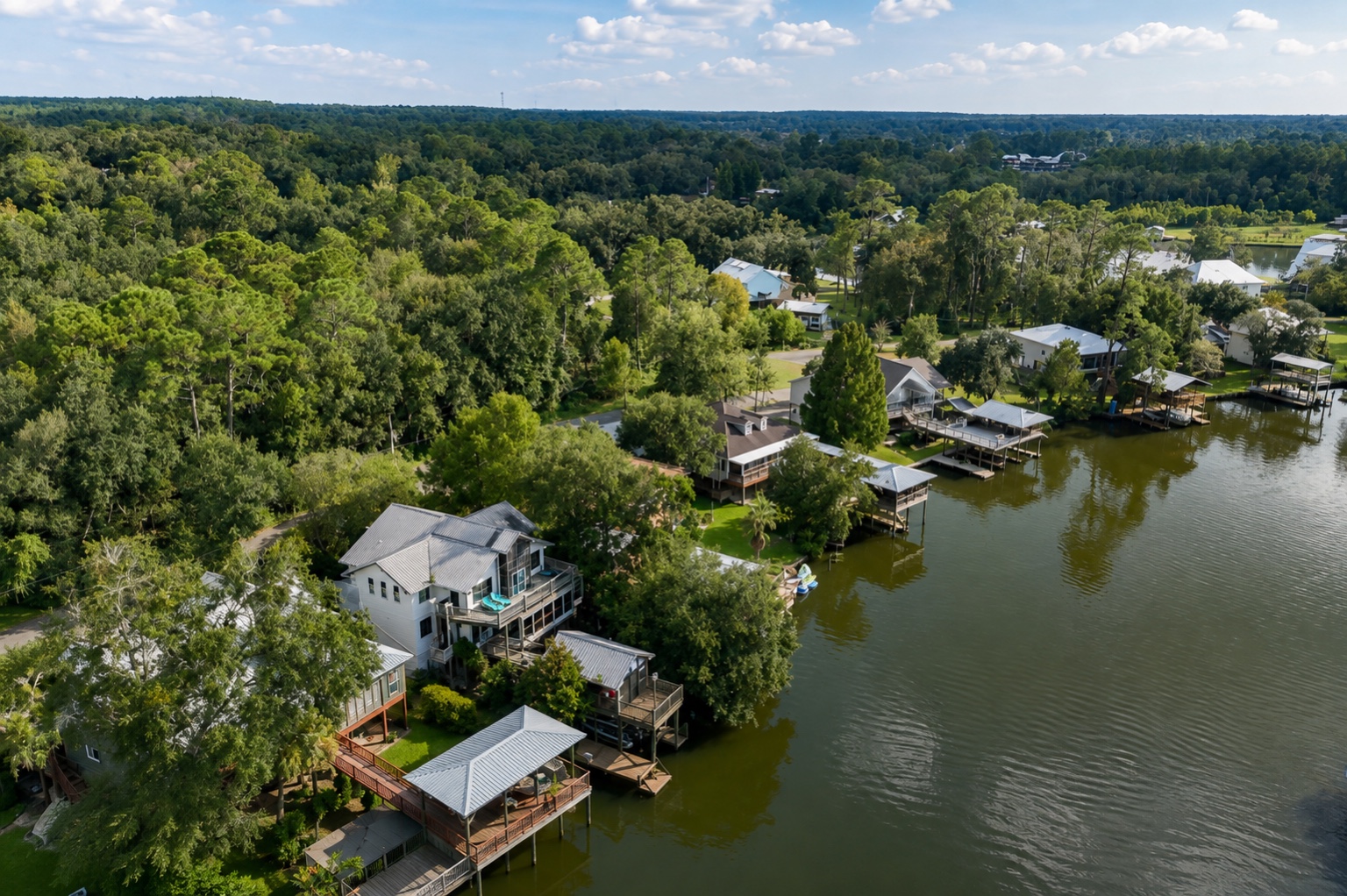
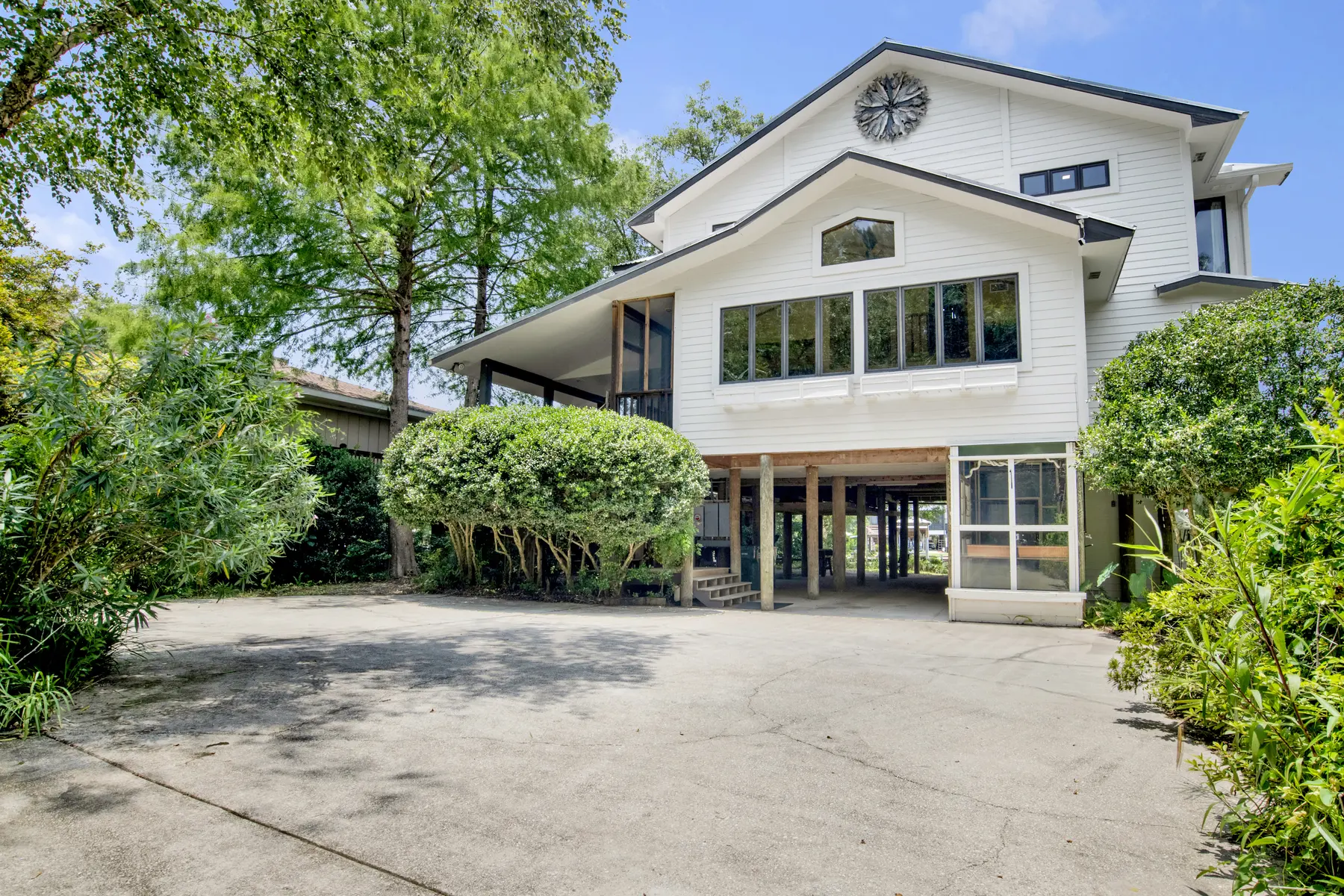
Fish River access, private dock, screened boathouse, and a riverside fire pit.
Summerdale, AL · Near Fairhope, Gulf Shores & Orange Beach
A private waterfront vacation home with three bedrooms, three beds, a private dock, four kayaks, a screened boathouse, and room for up to seven guests.
 A story from the riverBreak the sealOpen letter →
Fish River · Summer 1864
My dear friend,
The river lay smooth as glass before sunrise, holding the cypress shadows and the first pale light. We heard the oars before we saw the little boat coming around the bend, carrying news from Mobile Bay and a parcel wrapped in brown paper.
Even in uncertain days, life here keeps its own rhythm. Fish jump near the landing. Supper is shared on the gallery. At dusk, the air cools and every voice grows quieter as the river turns gold.
Until we meet again,
Catican Bayou
An imagined letter inspired by life along Fish River during the Civil War era.
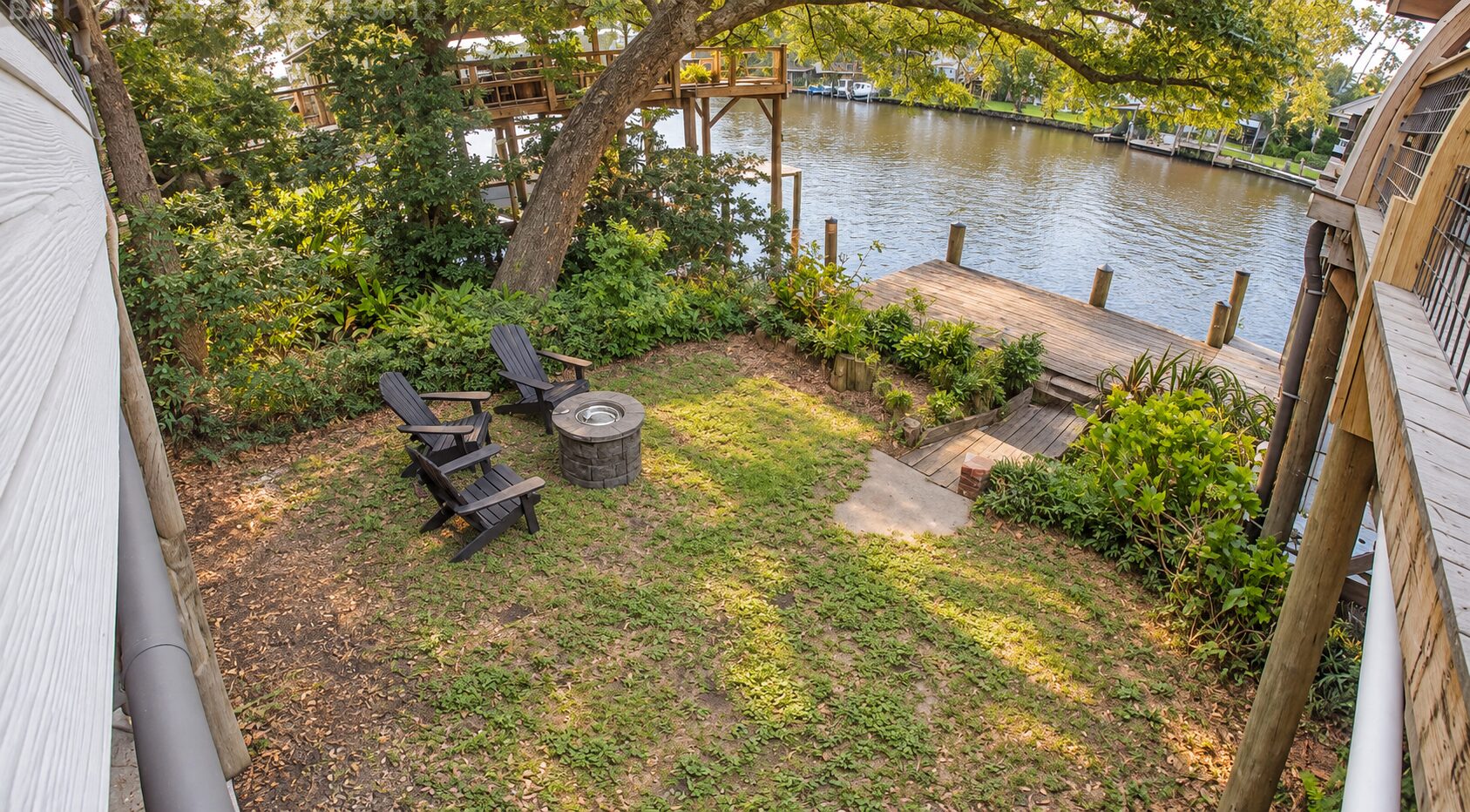
Continue into the history of the bay →Swim or fish from the private dock, take the four kayaks out, relax in the screened boathouse, and gather around the riverside fire pit after sunset. Catican Bayou is close enough for Fairhope outings and Gulf Coast day trips, but peaceful enough to feel like a true escape.
03 The home
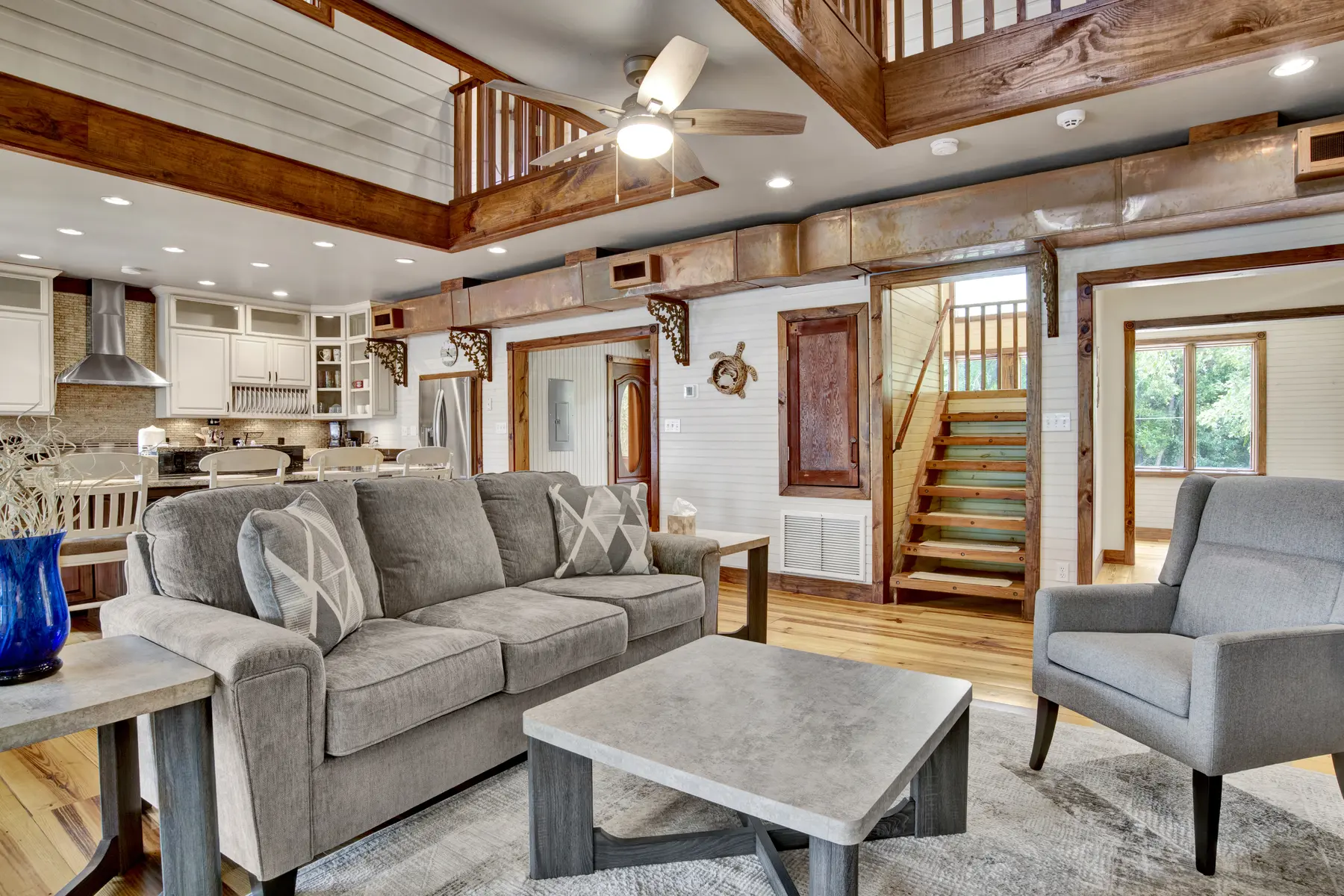
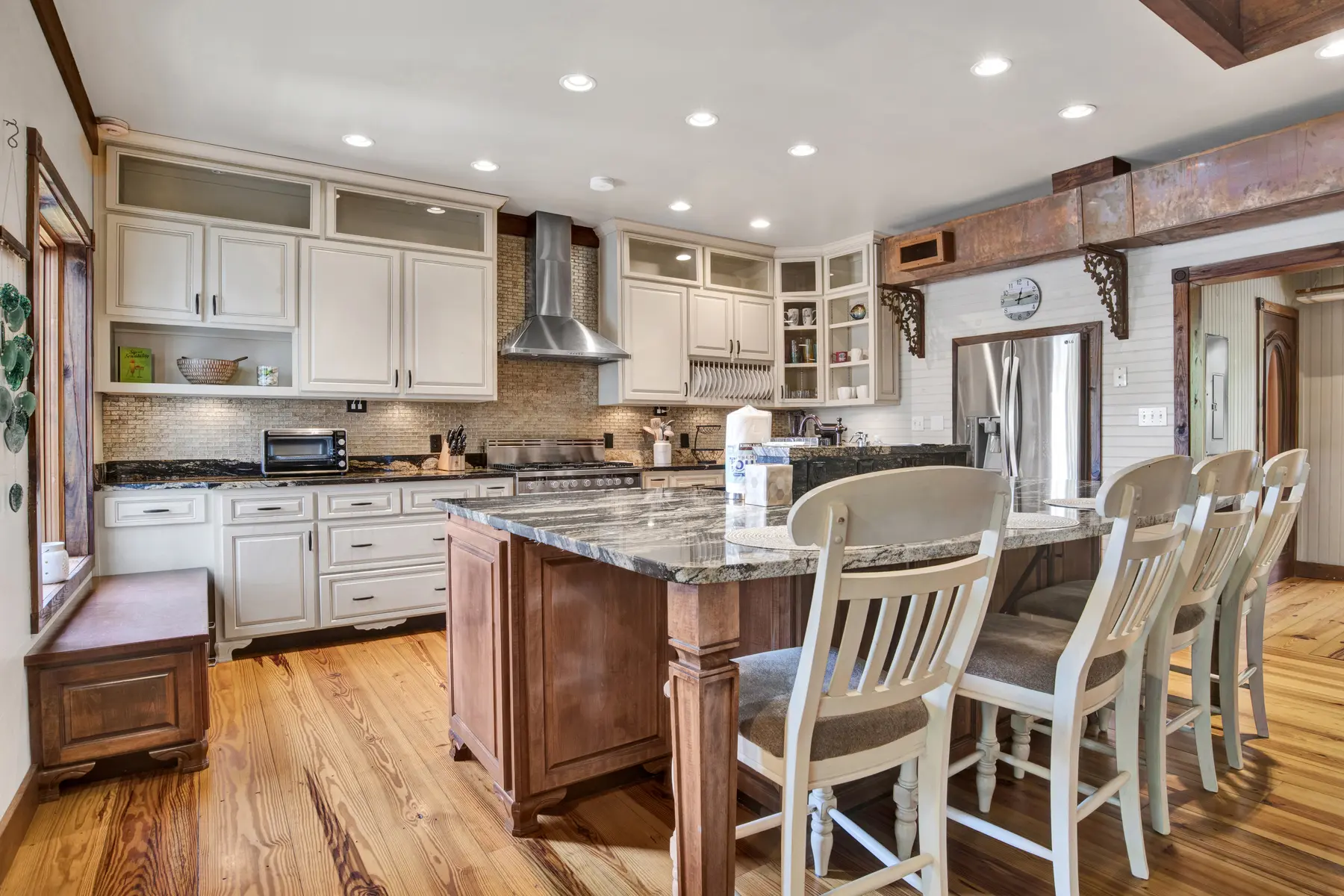
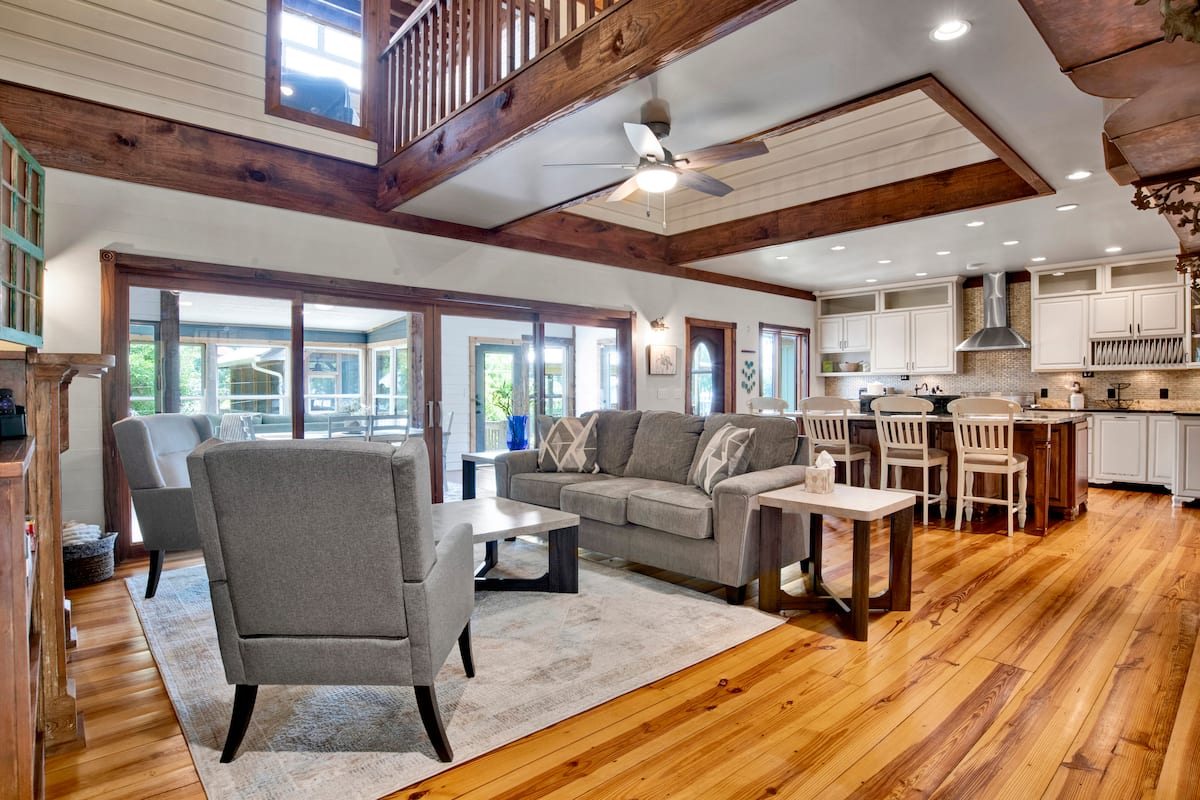
The open living room and full kitchen make it easy to spend time together. Three bedrooms give everyone room to recharge after a day on the water.
Your river day is ready
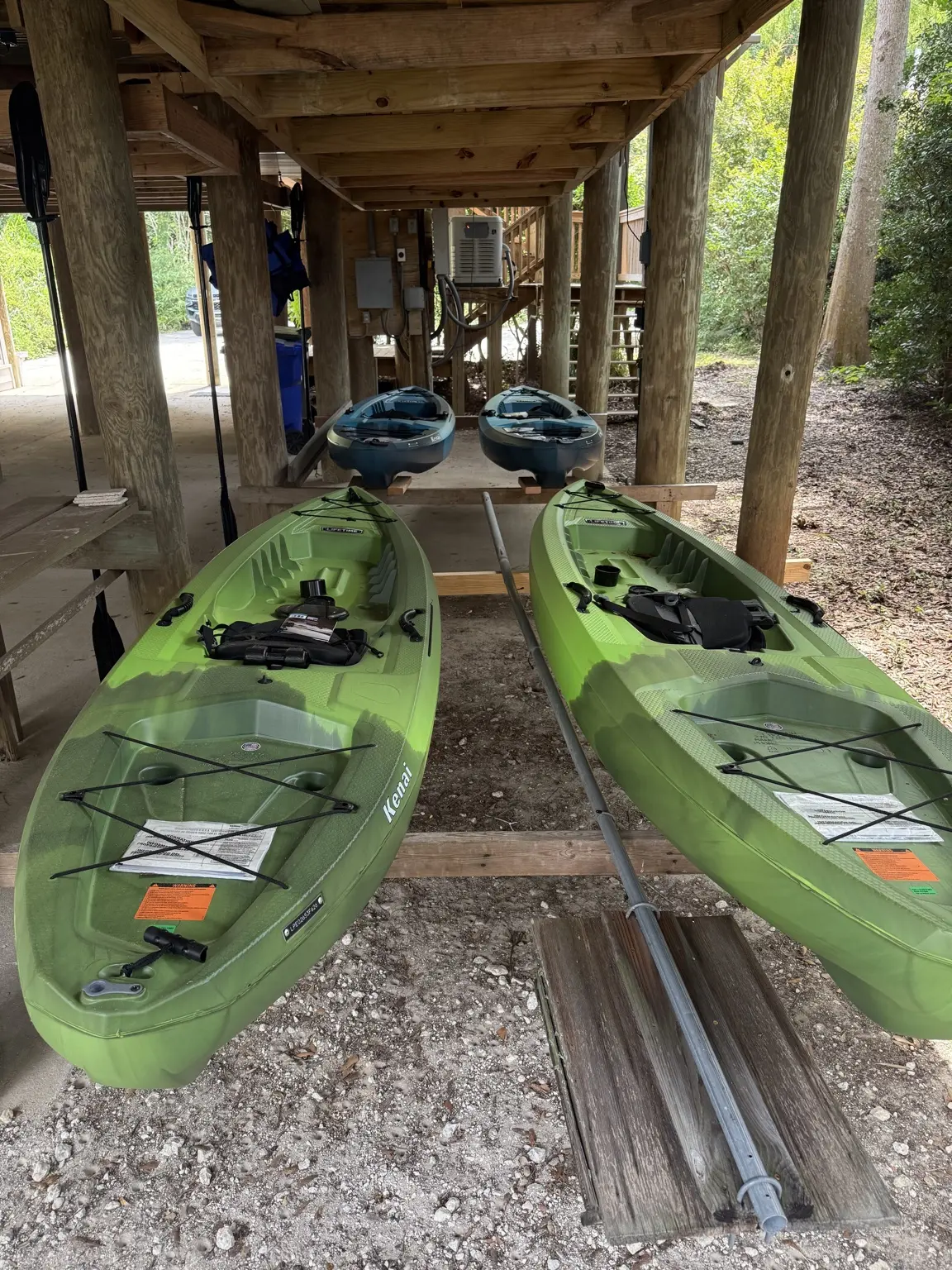
Every stay includes four kayaks, four paddles, and four life jackets. Carry them from their covered storage to the private dock and set out on Fish River whenever the mood strikes.
After sunset
Settle into an Adirondack chair, light the fire pit, and let the river go quiet behind you. It's an easy ending to a full day on the water—and often everyone's favorite part.
03 At a glance
A waterfront home for family vacations, couples' getaways, fishing trips, and easy weekends together.
Fish River access, private dock, screened boathouse, and a riverside fire pit.
Life jackets are included, so your river day can begin right outside the door.
Self check-in, free on-site parking, and clear instructions before your stay.
Fairhope, Gulf Shores, Orange Beach, nature trails, and family attractions are within reach.
07 The story of the shore
Follow the water from ancient Native homelands through Spanish rule, faith, war, and the communities that grew along Mobile Bay.
Mississippian communities built the great earthen mounds at Bottle Creek in the Mobile-Tensaw Delta. Dugout canoes linked settlements through the waterways, while families farmed corn, beans, and squash and supplemented their food with fishing, hunting, and gathering.
The Mobile and Mabila peoples, along with Choctaw and Muscogee (Creek) communities, shaped the wider Mobile Bay region at different times. Rivers were roads: people traveled by canoe, traded between towns, fished the bays and streams, tended crops, gathered plants, and followed the seasons.
Spain captured British-held Mobile in 1780, and the Mobile District remained part of Spanish West Florida until 1813. Fort Charlotte became Fuerte Carlota, and Spanish government, trade, and Catholic life added another lasting layer to the bay’s culture.
Once a thriving river town and commercial rival to Mobile; its preserved site now sits within Historic Blakeley State Park.
U.S. expansion and forced removal displaced many Choctaw and Muscogee people from their homelands. Native families also remained in southwest Alabama, and descendant communities continue to preserve their identities, traditions, and ties to this region today.
The Grand opened at Point Clear in 1847. During the Civil War it became a makeshift hospital for soldiers wounded at Vicksburg; a nearby cemetery holds about 300 soldiers.
Fort Morgan and Fort Gaines guarded the bay’s entrance when Admiral David Farragut’s Union fleet fought past Confederate defenses in August 1864. The forts and battlefield landscape can still be visited.
Walk preserved earthworks from one of the Civil War’s final major battles, fought on April 9, 1865—the same day Lee surrendered at Appomattox.
This small white chapel at Battles Wharf became Baldwin County’s first Catholic church. It still welcomes summer worshippers arriving along Mobile Bay by road and by boat.
Discover the town’s unusual Single Tax Colony origins at the Fairhope Museum of History.
Along Mobile Bay, Catholic tradition has long kept the Spanish name Bahía del Espíritu Santo—Bay of the Holy Spirit—close to the water. You will see that heritage echoed at Holy Spirit Hall and Sacred Heart Chapel. Early Gulf maps reused and shifted names, so it is best understood as part of the region’s layered Spanish and Catholic story, not a simple modern place-name.
Read the local church story ↗Spanish moss is actually Tillandsia usneoides, an air plant in the bromeliad family—the same family as the pineapple. It rests on live oaks and other trees for support, but it is not a parasite. Its leaves take in moisture and nutrients from rain and the humid air, creating the silver-green drapery that gives the Fish River landscape so much character.
Learn about Spanish moss ↗The Grand commemorates its military history each day at 3:45 p.m. with a procession and the firing of a replica Civil War cannon at Cannon Park. Consider making dinner reservations at one of the resort’s on-site restaurants so you can enjoy the procession, stay for sunset, and take in the beautiful grounds. Confirm current access and timing with the hotel when reserving.
Plan an evening at the Grand ↗08 Book Catican Bayou
Choose your dates to see live availability and request your stay directly with us.
Booking directly helps us offer you the best available value. Online payment will be added after our secure payment account is connected.
Choose dates→Your place on Fish River
View live dates, rates, and complete reservation details.
Check availability →